Solar Power for Schools: Reducing Costs and Supporting Sustainable Education
This white paper aims to help school administrators understand how solar
energy systems can address core challenges in schools, such as high electricity
bills, unstable power supply, budget pressures, and sustainability needs. By
providing detailed content with supporting case studies, we aim to alleviate
concerns and encourage investment in solar energy systems for educational
institutions.
Common Challenges in School Operations
High Electricity Costs
Energy expenses can consume 15-20% of a school's budget, limiting funds for educational resources and activities.
Unreliable Power Supply
power outages disrupt classes and exams, especially in multimedia-dependent classrooms.
Sustainability Pressures
Green initiatives are becoming crucial for attracting students and meeting community expectations.
Long-term Budget Strain
Rising electricity costs create ongoing financial planning challenges for schools.
Solar Energy Solutions for Schools
Reduce Electricity Costs
Solar panels can help schools save 40-60% on electricity bills, freeing up funds for educational resources and activities.
Ensure Power Stability
Energy storage systems maintain power to critical facilities during outages, ensuring uninterrupted learning.
Promote Sustainability
Solar energy reduces carbon emissions, enhances environmental education, and attracts eco-conscious students and parents.
Long-term Investment
With a 25+ year lifespan, solar systems provide ongoing energy savings and alleviate long-term budget pressures.
Customized Solar Solutions for Schools
Solar Panels
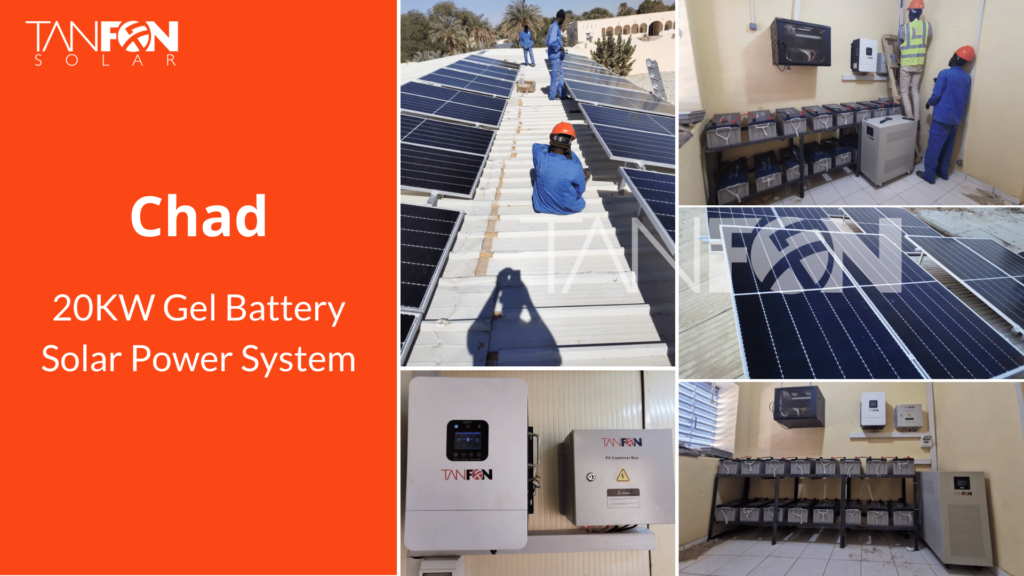
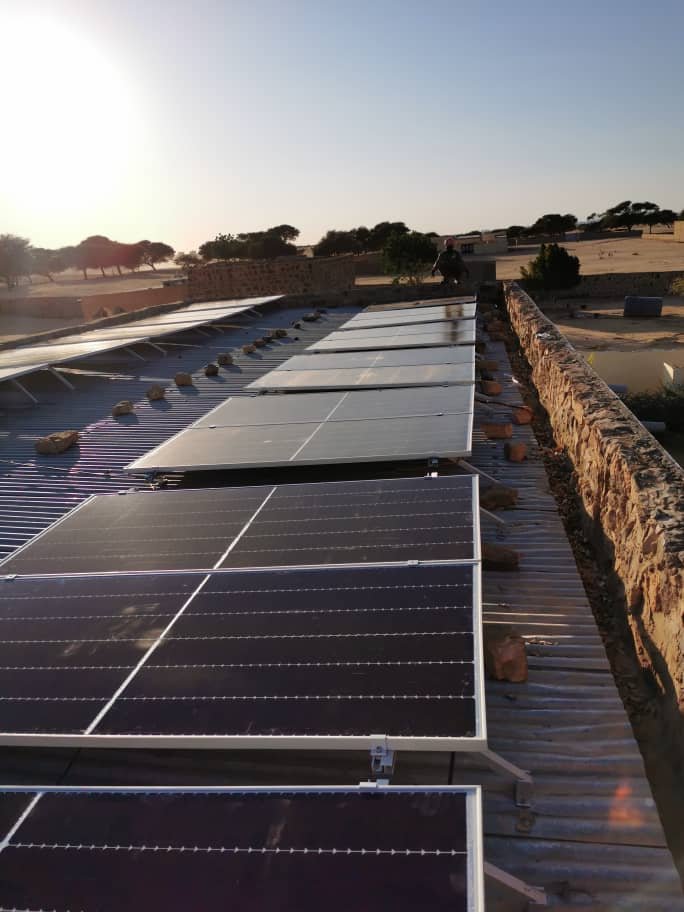
Installed on rooftops of classrooms, libraries, or gymnasiums to maximize space utilization for power generation.
Energy Storage
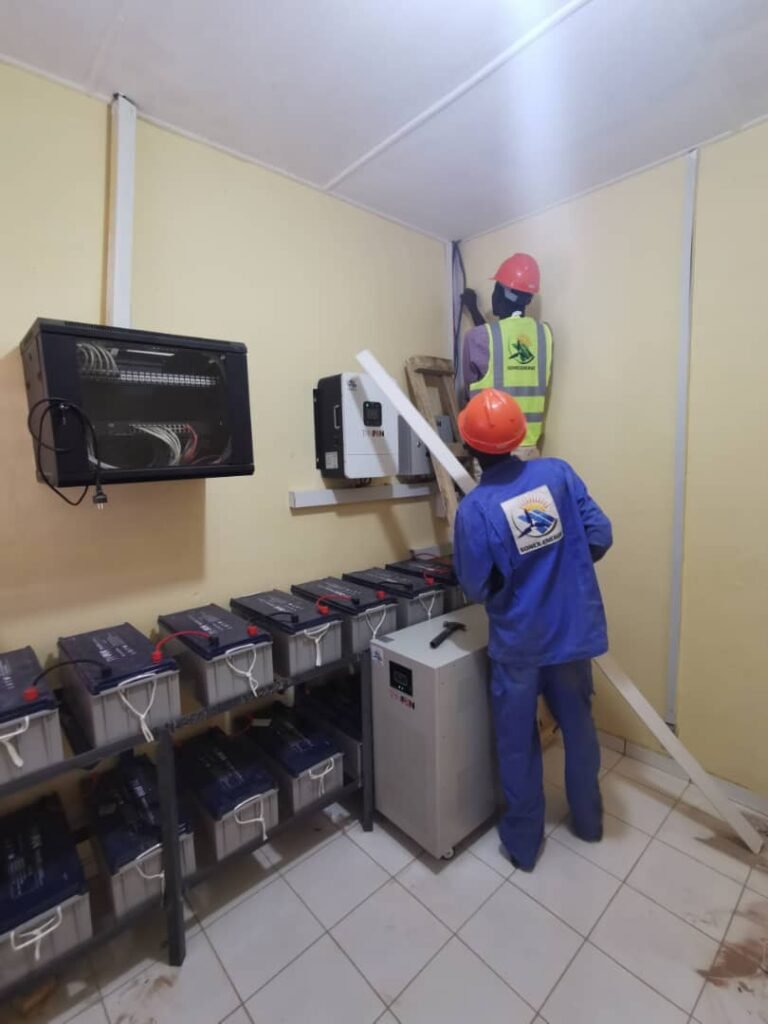
Prioritizes power supply to critical areas like multimedia classrooms and laboratories during outages.
Inverters
Provide stable power output and protect school electrical equipment.
Energy Management
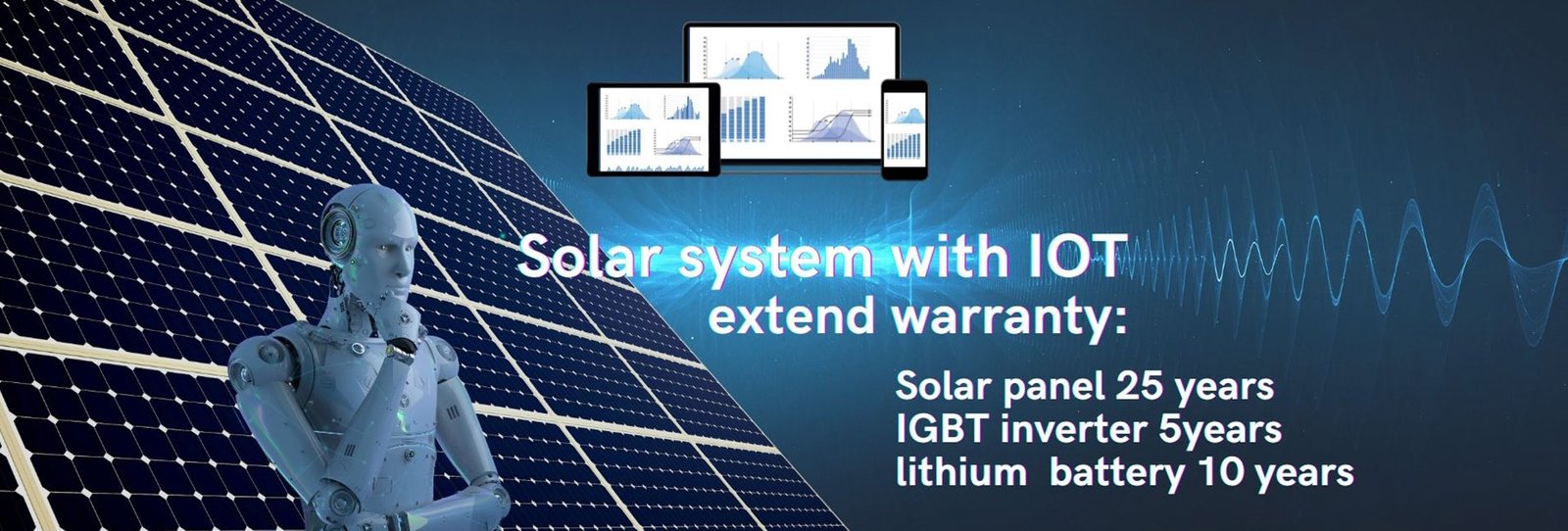
Offers remote monitoring and energy consumption analysis to optimize energy use.
OFP-50KW -M
|
Solar panel
|
TFD600W half cell PERC solar panel(LonGi N type TopCon Solar Cell) Vmp: 43.44V Voc: 51.54V Imp: 13.81A Isc:14.50A Efficiency: 23.22% Size: 2279*1134*30MM Strong anti-cracking advantage 25 years product warranty Connect way :each 14pcs in series. |
|
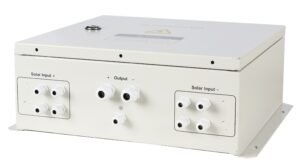
PV combiner
|
Model:H6T-1000V Multiple PV strings inputs. Simplify wiring between PV array and controller. Prevent hot spot effect, Reliable thunderstorm& surge protection Product Size:360*345*145mm |
|
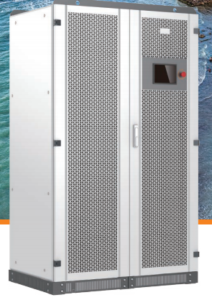
Three phase on/off grid inverter
|
MPS0050 MAX PV input:60KW MPPT range:250-850V Rate current:72A Output power:55KVA Otuput voltage :320-460V , 3L+N+PE Battery voltage:320-850V European Efficiency:97.5% Size:800 x 800 x 1900 mm Weight:720KG Communication:Standard: RS485 / CAN / DRM Optional: EMS |
|
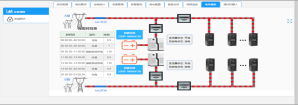
EMS system
|
EMS:Cloud view and remote control We provide the most basic EMS functions, and finally complete the final version according to the customer’s requirements |
|
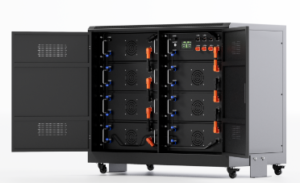
Lithium battery
|
Model number: TFES384- 300 W Voltage:384v Capacity: 300AH Nominal capacity: 115.2KWh Max discharge current:100A Cycle life: 6000 Material: LiFePO4 Application: solar power With display to monitor With high voltage system cabinet Size:560*600*1800mm |
|
Panel rack
|
Slope Rooftop /Flat rooftop/ground wind load:55m/s,snow load:1.5kn/m2 structure:Anodized Aluminum+stainless steel, Angle adjustable (other type of rack can be customized as per client’s requirement ) |
|
Cables
|
4pcs 25mm2*2M battery cable 5*25mm2 inverter cable 10M 4mm2 PV cable *400M (DC cable) 5*35mm2 inverter cable 10M MC4 accessories 10sets International standard, with specification suitable for solar system, SPD bracker |
Success Stories: Solar in Schools
Zimbabwe Primary School
50KW solar + 100KWh storage system. Achieved 50% electricity savings, funds redirected to new textbooks and computer lab. "Solar allows us to invest more in education and set an eco-friendly example."
South African High School
100KW solar + 200KWh storage system. Reduced power outage impacts by 90%, ensuring continuous power for exams. "Parents appreciate our green policies, boosting our competitiveness in admissions."
Investment and Return Analysis
Initial Investment
Flexible payment plans available to reduce upfront costs for schools.
ROI Period
Schools typically recover investment costs through electricity savings within 3-5 years.
Long-term Benefits
25+ year system lifespan provides ongoing energy savings and budget relief.
After-Sales Service and Support
1.Quality Assurance
Warranty deposit mechanism ensures long-term system reliability and service quality.
2.Regular Maintenance
Quarterly system checks by engineering team to ensure optimal performance.
3. 5 years of free online operation
Our engineers regularly help you check the power generation data of solar panels, the charge and discharge data of lithium batteries, and the output data of inverters. If you have any questions, we will provide online guidance and communication
Frequently Asked Questions
F.Can solar fully cover school electricity needs?
Solar systems are designed to
significantly reduce reliance on
grid power, but may not cover
100% of needs in all cases
F:Will installation disrupt normal teaching?
Installation is typically
scheduled during summer
breaks or holidays to minimize
disruption.
F:Do school devices need special adaptation?
No, solar systems are designed
to provide standard electricity
compatible with existing
equipment.
F:Can the system handle future growth?
Systems are scalable and can be
expanded to meet increasing
energy demands